Sandy Lake Tragedy: Following in the Footsteps of the Ojibwe


Sandy Lake Tragedy: Following in the Footsteps of the Ojibwe
Sandy Lake Tragedy: Following in the Footsteps of the Ojibwe
Description
Description
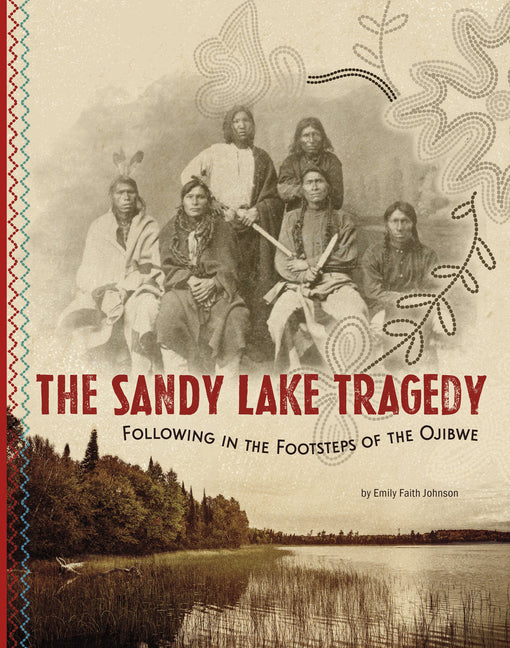
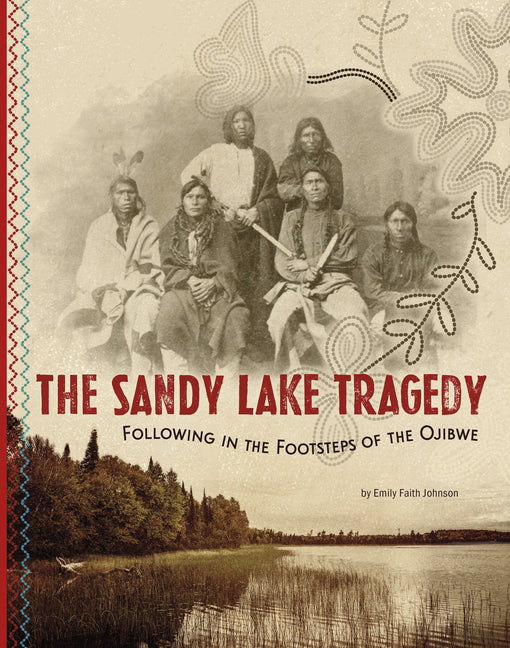
In 1850, 5,000 Ojibwe people were forced to make a dangerous journey across the Midwest to get treaty payments owed to them from the U. S. Government. But the payments never came, and the Ojibwe had to travel back home through treacherous winter conditions and without the money or supplies they had been promised. More than 400 Ojibwe lost their lives in this event that is now known as the Ojibwe Trail of Tears. Compelling narrative and impactful images help to recount the injustices of this forced removal and explain how it happened, what the many consequences were, how the Ojibwe people responded, and why this tragedy is still vitally relevant today. Author Emily Faith Johnson (Sault St. Marie Chippewa member) shares this not-to-be-forgotten story with young readers and educators seeking a closer look at U.S. history.
Critical Reviews
Critical Reviews
A deceptive U.S. government, winter weather, a difficulty with understanding the English language, starvation, and disease all contributed to the deaths of 400 Ojibwe people in 1850. From the spring of 1850, when President Zachary Taylor ordered the removal of the Ojibwe from northern Wisconsin to Sandy Lake in the Minnesota territory, until President Millard Fillmore canceled the removal order in the spring of 1852, the Ojibwe of the northern Midwest faced brutal, fatal conditions as they attempted to return home. The author, a member of the Sault Ste. Marie tribe of Chippewas, presents a short and complete history of this little-known disaster. A lot of information sneaks into a concise text, loaded with myriad drawings, photos, maps, and fact boxes. The tone is engaging while exposing the horror and hopelessness of the Ojibwe Trail of Tears. Events eventually turned hopeful, and the tragedy is recognized in July each year. Back matter includes very short "Read More" section and internet sites lists. There is not a lot of information about this event for this grade range; this title fills a void. VERDICT Devastating, obscure history brought to light. Highly recommended for schools' Native American units, research, and general reading.--Anne Chapman Callaghan "School Library Journal"
Johnson (Chippewa, Sault Ste. Marie Tribe) offers a straightforward look at the Sandy Lake tragedy while featuring a variety of visual sources, including maps, photos, historical paintings, drawings, and historic documents. These images offer a look at past ways of life, while the pages' embellishments are inspired by traditional Ojibwe beadwork. Emotionally resonant quotes from past Ojibwe leaders offer Native-voiced primary-source evidence, which can be especially beneficial for classroom use. The depiction of these events is forthright, holding accountable those responsible for this harm. Though the text covers a particular historical event, its impacts are presented in conjunction with present-day images and information: "It is a day of mourning for the lives lost but also a day of celebration for the successful resistance of the removal order." Alongside the history of the tragedy, policy changes that occurred as a result of Ojibwe advocacy are highlighted. Back matter includes author's note, timeline, glossary, and resources for further learning. An excellent learning resource that can be utilized inside the classroom and far beyond.--Christine Hartman Derr "Booklist"
Publishing Information
Publishing Information
Publisher:
Capstone Press
Pub date:
2025-08-01
Length:
32 pages


The Allstora Membership
Membership Perks:
- Save 30% on all online store purchases
- Exclusive access to author's content
- You pay less, but authors still earn double
Membership Terms:
First Month:
$0.00
Monthly price:
$5.00
- To access membership discount simply log in and add to cart, discount applied automatically.
- One month free trial, cancel anytime. Membership renews on the 15th of each month.