Anatomy of Violence: The Biological Roots of Crime


Anatomy of Violence: The Biological Roots of Crime
Anatomy of Violence: The Biological Roots of Crime
Description
Description
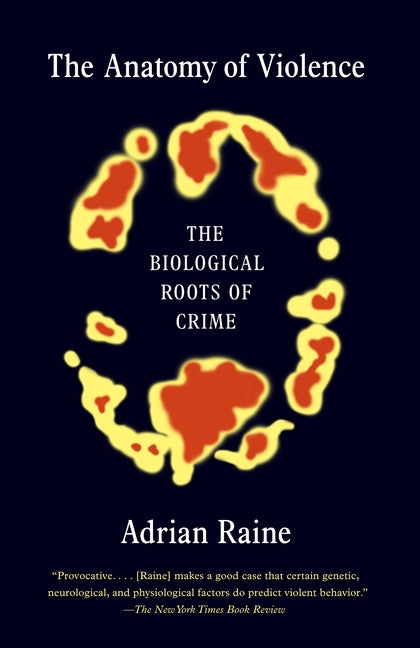
With a 4-page full-color insert, and black-and-white illustrations throughout Why do some innocent kids grow up to become cold-blooded serial killers? Is bad biology partly to blame? For more than three decades Adrian Raine has been researching the biological roots of violence and establishing neurocriminology, a new field that applies neuroscience techniques to investigate the causes and cures of crime. In The Anatomy of Violence, Raine dissects the criminal mind with a fascinating, readable, and far-reaching scientific journey into the body of evidence that reveals the brain to be a key culprit in crime causation. Raine documents from genetic research that the seeds of sin are sown early in life, giving rise to abnormal physiological functioning that cultivates crime. Drawing on classical case studies of well-known killers in history--including Richard Speck, Ted Kaczynski, and Henry Lee Lucas--Raine illustrates how impairments to brain areas controlling our ability to experience fear, make good decisions, and feel guilt predispose us to violence. He contends that killers can actually be coldhearted: something as simple as a low resting heart rate can give rise to violence. But arguing that biology is not destiny, he also sketches out provocative new biosocial treatment approaches that can change the brain and prevent violence. Finally, Raine tackles the thorny legal and ethical dilemmas posed by his research, visualizing a futuristic brave new world where our increasing ability to identify violent offenders early in life might shape crime-prevention policies, for good and bad. Will we sacrifice our notions of privacy and civil rights to identify children as potential killers in the hopes of helping both offenders and victims? How should we punish individuals with little to no control over their violent behavior? And should parenting require a license? The Anatomy of Violence offers a revolutionary appraisal of our understanding of criminal offending, while also raising provocative questions that challenge our core human values of free will, responsibility, and punishment.
About the Author
About the Author
Adrian Raine is the Richard Perry University Professor of Criminology, Psychiatry, and Psychology at the University of Pennsylvania, and a leading authority on the biology of violence. After leaving secondary school to become an airline accountant, he abandoned his financial career and spent four years as a prison psychologist to understand why some individuals become violent psychopaths while others do not.
Critical Reviews
Critical Reviews
Praise for Adrian Raine's The Anatomy of Violence
A New Scientist Best Book of 2013
Winner of The Athenaeum of Philadelphia's Annual Literary Award "Provocative. . . . [Raine] makes a good case that certain genetic, neurological, and physiological factors do predict violent behavior. . . . He argues, convincingly, that . . . benign and relatively cheap interventions could have huge social benefits."
--New York Times Book Review "Well-written and engaging. . . . Mr. Raine reminds us of all the interesting things we do know about genes, brains and the environment that can tilt someone toward anti-social behavior. . . . A good read. What makes it something more is Mr. Raine's contention that violence is a public-health issue and that this forces upon society some uncomfortable ideas about possible interventions."
--The Wall Street Journal
"Lively, engaging. . . . A convincing case that violent criminals are biologically different from the rest of us. . . . [Raine] has the research at his fingertips--not surprising, since he carried out much of it--and makes a compelling case that society needs to grapple with the biological underpinnings of violent crime just as vigorously as the social causes, if not more so."
--New Scientist "Anyone who truly seeks an answer to questions about nature vs. nurture should read Raine's book. The Anatomy of Violence includes many interesting studies, with provocative findings. He also raises important philosophical questions about what we could, and perhaps should, do with what we're learning."
--Psychology Today "Readable, and at times controversial. . . . [The Anatomy of Violence] is worth reading by anyone who has an interest in violence and criminal behavior, not because it provides definitive answers, but for its value in setting the stage for ongoing thought and discussion."
--Washington Independent Review of Books "Are 'criminal tendencies' hard-wired or acquired? . . . Psychologist Adrian Raine argues the biological case, marshalling swathes of findings and case studies of murderers and rapists. . . . Provocative and bristling with data."
--Nature "Groundbreaking. . . . Never before has a 'map of the criminal mind' been written about so convincingly. . . . Raine offers us the most compelling look to date at the connection between human genetics and human acts of violence. . . . The Anatomy of Violence will convince even the most skeptical that there is a genetic or biological cause for the violence exhibited by psychopaths across all cultures. . . . The Anatomy of Violence is an astonishingly accessible account of all the major elements--environmental, social, biochemical, psychological, and neurological--related to crime and human violence, leading us to the conclusion that yes, some people are natural born killers."
--New York Journal of Books
"An extremely informative, thoughtful and illuminating book . . . a tour de force."
--David P Farrington, Psychological Medicine "Fascinating. . . . The message that ought to be taken from this book is that criminality should be seen as a public health problem. Excellent child nutrition, strict controls on the use of heavy metals, classes in parenting and extra learning support for children and parents from difficult backgrounds. . . . Raine's book represents a compelling argument that they are not optional extras, boom-time luxuries, but measures that have the potential to save countless billions, and countless lives."
--The New Statesman "A passionately argued, well-written, and fascinating take on the biology of violence and its legal and ethical implications."
--Publishers Weekly (starred review) "Compelling research. . . . Although the topic will certainly continue to provoke controversy, Raine offers a highly accessible look at the latest research on the biology behind criminal behavior."
--Booklist "An exhaustive, unvarnished survey of what is known about the neurobiological correlates of physical violence. It is deeply informative and it makes for disquieting reading. It wisely refrains from claiming a single cause for the problem or advocating a single solution. It is an indispensable reference."
--Antonio Damasio, author of Descartes' Error and Self Comes to Mind "Important. . . . A thorough yet sparkling, erudite but beautifully written account. . . . Raine discusses complex scientific and ethical issues and illustrates them by drawing on a series of famous, sometimes unsettling case studies, thereby making scientific knowledge more accessible to a wide audience. What emerges is a rich picture of the complexities of human violence. The book is gripping from start to finish."
--Stephanie van Goozen, Professor of Psychology, Cardiff University "[The Anatomy of Violence] is not only for students of this topic, but for any inquiring mind. It is just simply captivating, both emotionally and intellectually."
--Diana Fishbein, Ph.D., Senior Fellow and Scientist, Transdisciplinary Science and Translational Prevention Program, RTI International "Indispensable. . . . A highly readable, often gripping account of how our biology affects our violence. The book's great success is that it makes how we learned about crime and the brain as exciting as what we have learned. If we take this book seriously, criminology can move much closer to solving some of the biggest mysteries we face."
--Lawrence W. Sherman, Wolfson Professor of Criminology, Director, Institute of Criminology, University of Cambridge "At once highly educational and surprisingly entertaining. . . . An easy, highly enjoyable, and richly rewarding read. The significant social, biological, and legal aspects of violent behavior make it a virtual minefield of sensitive and controversial issues."
--Joe P. Newman, Ph.D., University of Wisconsin-Madison "A great read. . . . This is a book that will make you reflect on how you personally and society more generally views and responds to antisocial behavior. Is it time to think of violence as a disease, where rehabilitation takes precedence over punishment, and where prevention may be the only real cure? Read the book, and then you be the judge."
--Mark S. Frankel, Ph.D., Director, Scientific Responsibility, Human Rights and Law Program, American Association for the Advancement of Science (AAAS) "Courageous, brilliant, and provocative. . . . Based on the latest scientific evidence Raine poses the fundamental question, Where does society draw the line between the effects of nature and nurture on brain function?"
--Larry W. Swanson, Ph.D., University Professor and Appleman Professor of Biological Sciences, Neurology, and Psychology, University of Southern California "With The Anatomy of Violence, Raine brings the full force of his pioneering research, clear-eyed analysis, and sound policy prescriptions to our violence problem in America. Get ready for a tour de force in science, and one hell of a gripping read!"
--Brandon C. Welsh, professor of criminology, Northeastern University, author of Saving Children from a Life of Crime "Anytime I need to know anything about the biology of crime, I go straight away to Adrian Raine. . . . Indispensable reading for students, researchers, practitioners, and policy makers."
--Terrie Moffitt, professor, Duke University and King's College London
A New Scientist Best Book of 2013
Winner of The Athenaeum of Philadelphia's Annual Literary Award "Provocative. . . . [Raine] makes a good case that certain genetic, neurological, and physiological factors do predict violent behavior. . . . He argues, convincingly, that . . . benign and relatively cheap interventions could have huge social benefits."
--New York Times Book Review "Well-written and engaging. . . . Mr. Raine reminds us of all the interesting things we do know about genes, brains and the environment that can tilt someone toward anti-social behavior. . . . A good read. What makes it something more is Mr. Raine's contention that violence is a public-health issue and that this forces upon society some uncomfortable ideas about possible interventions."
--The Wall Street Journal
"Lively, engaging. . . . A convincing case that violent criminals are biologically different from the rest of us. . . . [Raine] has the research at his fingertips--not surprising, since he carried out much of it--and makes a compelling case that society needs to grapple with the biological underpinnings of violent crime just as vigorously as the social causes, if not more so."
--New Scientist "Anyone who truly seeks an answer to questions about nature vs. nurture should read Raine's book. The Anatomy of Violence includes many interesting studies, with provocative findings. He also raises important philosophical questions about what we could, and perhaps should, do with what we're learning."
--Psychology Today "Readable, and at times controversial. . . . [The Anatomy of Violence] is worth reading by anyone who has an interest in violence and criminal behavior, not because it provides definitive answers, but for its value in setting the stage for ongoing thought and discussion."
--Washington Independent Review of Books "Are 'criminal tendencies' hard-wired or acquired? . . . Psychologist Adrian Raine argues the biological case, marshalling swathes of findings and case studies of murderers and rapists. . . . Provocative and bristling with data."
--Nature "Groundbreaking. . . . Never before has a 'map of the criminal mind' been written about so convincingly. . . . Raine offers us the most compelling look to date at the connection between human genetics and human acts of violence. . . . The Anatomy of Violence will convince even the most skeptical that there is a genetic or biological cause for the violence exhibited by psychopaths across all cultures. . . . The Anatomy of Violence is an astonishingly accessible account of all the major elements--environmental, social, biochemical, psychological, and neurological--related to crime and human violence, leading us to the conclusion that yes, some people are natural born killers."
--New York Journal of Books
"An extremely informative, thoughtful and illuminating book . . . a tour de force."
--David P Farrington, Psychological Medicine "Fascinating. . . . The message that ought to be taken from this book is that criminality should be seen as a public health problem. Excellent child nutrition, strict controls on the use of heavy metals, classes in parenting and extra learning support for children and parents from difficult backgrounds. . . . Raine's book represents a compelling argument that they are not optional extras, boom-time luxuries, but measures that have the potential to save countless billions, and countless lives."
--The New Statesman "A passionately argued, well-written, and fascinating take on the biology of violence and its legal and ethical implications."
--Publishers Weekly (starred review) "Compelling research. . . . Although the topic will certainly continue to provoke controversy, Raine offers a highly accessible look at the latest research on the biology behind criminal behavior."
--Booklist "An exhaustive, unvarnished survey of what is known about the neurobiological correlates of physical violence. It is deeply informative and it makes for disquieting reading. It wisely refrains from claiming a single cause for the problem or advocating a single solution. It is an indispensable reference."
--Antonio Damasio, author of Descartes' Error and Self Comes to Mind "Important. . . . A thorough yet sparkling, erudite but beautifully written account. . . . Raine discusses complex scientific and ethical issues and illustrates them by drawing on a series of famous, sometimes unsettling case studies, thereby making scientific knowledge more accessible to a wide audience. What emerges is a rich picture of the complexities of human violence. The book is gripping from start to finish."
--Stephanie van Goozen, Professor of Psychology, Cardiff University "[The Anatomy of Violence] is not only for students of this topic, but for any inquiring mind. It is just simply captivating, both emotionally and intellectually."
--Diana Fishbein, Ph.D., Senior Fellow and Scientist, Transdisciplinary Science and Translational Prevention Program, RTI International "Indispensable. . . . A highly readable, often gripping account of how our biology affects our violence. The book's great success is that it makes how we learned about crime and the brain as exciting as what we have learned. If we take this book seriously, criminology can move much closer to solving some of the biggest mysteries we face."
--Lawrence W. Sherman, Wolfson Professor of Criminology, Director, Institute of Criminology, University of Cambridge "At once highly educational and surprisingly entertaining. . . . An easy, highly enjoyable, and richly rewarding read. The significant social, biological, and legal aspects of violent behavior make it a virtual minefield of sensitive and controversial issues."
--Joe P. Newman, Ph.D., University of Wisconsin-Madison "A great read. . . . This is a book that will make you reflect on how you personally and society more generally views and responds to antisocial behavior. Is it time to think of violence as a disease, where rehabilitation takes precedence over punishment, and where prevention may be the only real cure? Read the book, and then you be the judge."
--Mark S. Frankel, Ph.D., Director, Scientific Responsibility, Human Rights and Law Program, American Association for the Advancement of Science (AAAS) "Courageous, brilliant, and provocative. . . . Based on the latest scientific evidence Raine poses the fundamental question, Where does society draw the line between the effects of nature and nurture on brain function?"
--Larry W. Swanson, Ph.D., University Professor and Appleman Professor of Biological Sciences, Neurology, and Psychology, University of Southern California "With The Anatomy of Violence, Raine brings the full force of his pioneering research, clear-eyed analysis, and sound policy prescriptions to our violence problem in America. Get ready for a tour de force in science, and one hell of a gripping read!"
--Brandon C. Welsh, professor of criminology, Northeastern University, author of Saving Children from a Life of Crime "Anytime I need to know anything about the biology of crime, I go straight away to Adrian Raine. . . . Indispensable reading for students, researchers, practitioners, and policy makers."
--Terrie Moffitt, professor, Duke University and King's College London
Publishing Information
Publishing Information
Publisher:
Vintage
Pub date:
2014-02-11
Length:
496 pages

The Allstora Membership
Membership Perks:
- Save 30% on all online store purchases
- Exclusive access to author's content
- You pay less, but authors still earn double
Membership Terms:
First Month:
$0.00
Monthly price:
$5.00
- To access membership discount simply log in and add to cart, discount applied automatically.
- One month free trial, cancel anytime. Membership renews on the 15th of each month.