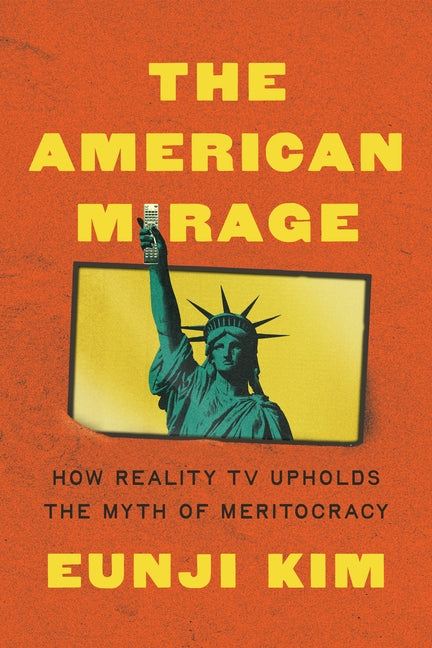
American Mirage: How Reality TV Upholds the Myth of Meritocracy


American Mirage: How Reality TV Upholds the Myth of Meritocracy
American Mirage: How Reality TV Upholds the Myth of Meritocracy
Description
Description
How the entertainment narrative of upward mobility distorts the harsh economic realities in America
In an age of growing wealth disparities, politicians on both sides of the aisle are sounding the alarm about the fading American Dream. Yet despite all evidence to the contrary, many still view the United States as the land of opportunity. The American Mirage addresses this puzzle by exposing the stark reality of today's media landscape, revealing how popular entertainment media shapes politics and public opinion in an increasingly news-avoiding nation. Drawing on an eclectic array of original data, Eunji Kim demonstrates how, amid a dazzling array of media choices, many Americans simply are not consuming the news. Instead, millions flock to entertainment programs that showcase real-life success stories, such as American Idol, Shark Tank, and MasterChef. Kim examines how shows like these leave viewers confoundingly optimistic about the prospects of upward mobility, promoting a false narrative of rugged individualism and meritocracy that contradicts what is being reported in the news. By taking seriously what people casually watch every day, The American Mirage shows how rags-to-riches programs perpetuate the myth of the American Dream, glorifying the economic winners, fostering tolerance for income inequality, and dampening support for redistributive policies that could improve people's lives.
About the Author
About the Author
Eunji Kim is assistant professor of political science at Columbia University.
Critical Reviews
Critical Reviews
"Eye-opening. . . . Kim astutely compares reality shows' persuasive power to that of Gilded Age dime novels, notably Horatio Alger's 'tales of personal triumph, ' in which protagonists rose 'from obscurity to prosperity' by doing good deeds. She also takes aim at her field, asserting that political science's 'echo chambers of scholarly assumptions' have led it to ignore how political belief is affected by supposedly 'apolitical' media. The result is a troubling assessment of propaganda in pop culture."-- "Publishers Weekly"
"An insightful inquiry into America's enmeshed political and entertainment landscapes."-- "Kirkus Reviews"
Publishing Information
Publishing Information
Publisher:
Princeton University Press
Pub date:
2025-05-06
Length:
240 pages
The Allstora Membership
Membership Perks:
- Save 30% on all online store purchases
- Exclusive access to author's content
- You pay less, but authors still earn double
Membership Terms:
First Month:
$0.00
Monthly price:
$5.00
- To access membership discount simply log in and add to cart, discount applied automatically.
- One month free trial, cancel anytime. Membership renews on the 15th of each month.